

 About Us
 Why K12?
 Safety Needs
 How Students Succeed
 FAQs
FAQs Online Elementary School
 Online Middle School
 Career and College Prep
 Online High School
 Student Clubs
 Career and College Services
 Inside the Online Classroom
 A Day in the Life
 Social & Extracurricular
 Advice, Tips & Inspiration
 Benefits for Life
 Enroll
 All School Options
 Need More Help?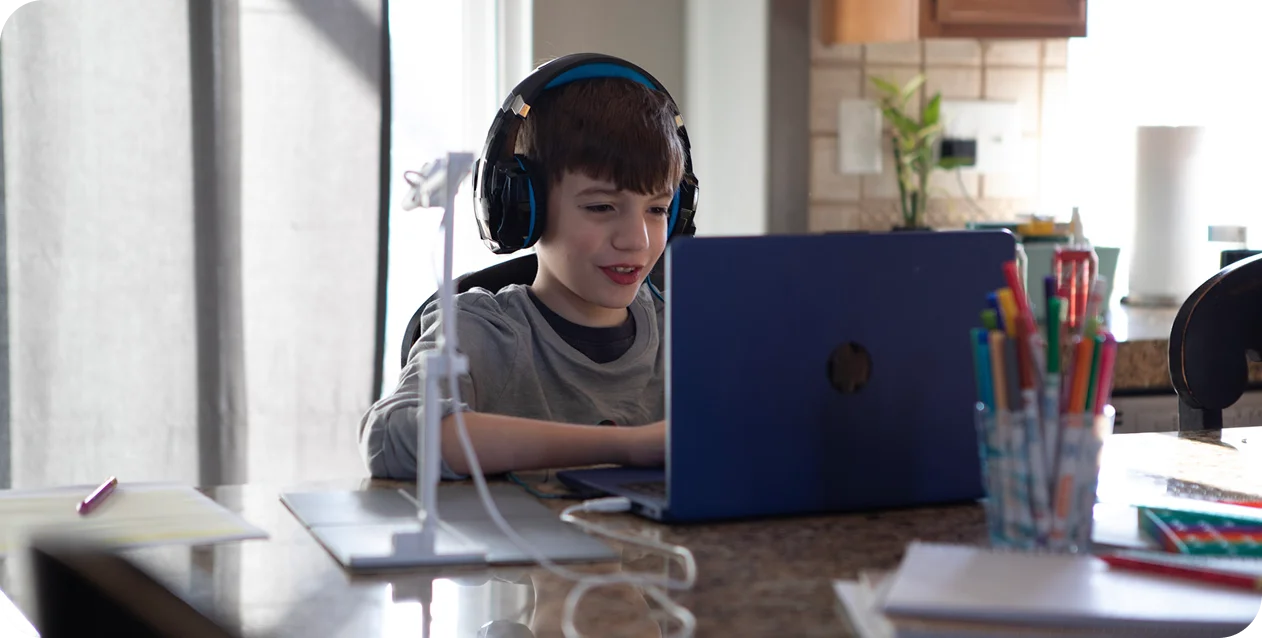


Brandi: We switched for a more enriching curriculum. With my boys becoming advanced learners and Cash needing additional help with his learning disability, I couldn’t give them all they needed via traditional homeschool. Plus, my husband travels a lot, and we wanted to be able to spend more time together.
Meet Cash
A bright student who excels in school, Cash also has dyslexia and dysgraphia, which make reading and writing a challenge. Online learning provides the extra support he needs to achieve his full potential, now and in the future.
Why This Family Chose K12
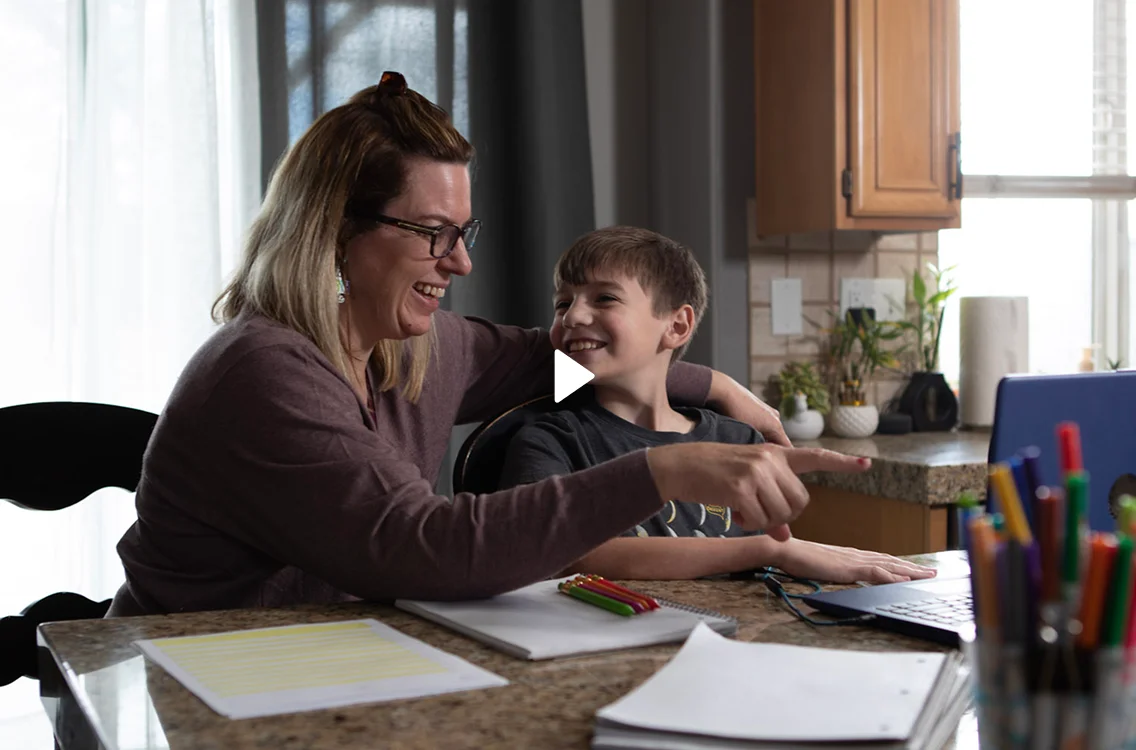
Cash’s mom and Learning Coach, Brandi, originally chose homeschooling so she and her three kids could join her husband on work trips. As her sons grew into advanced learners, she wanted a more rigorous curriculum—and a program that could accommodate Cash’s learning differences.

Benefit from individualized support
Cash is an honors student with straight As who needs extra support. K12’s curriculum keeps him challenged and motivated while providing resources that help him succeed.

Strengthen family bonds through learning
A household abuzz with learning makes for great dinner conversations. Cash and his brothers all work on their own assignments then share what they’ve learned in the evenings.

Dig into advanced academics
Cash and his brothers thrive when given advanced enrichment opportunities. K12 offers engaging electives and extracurriculars that let students explore their interests.
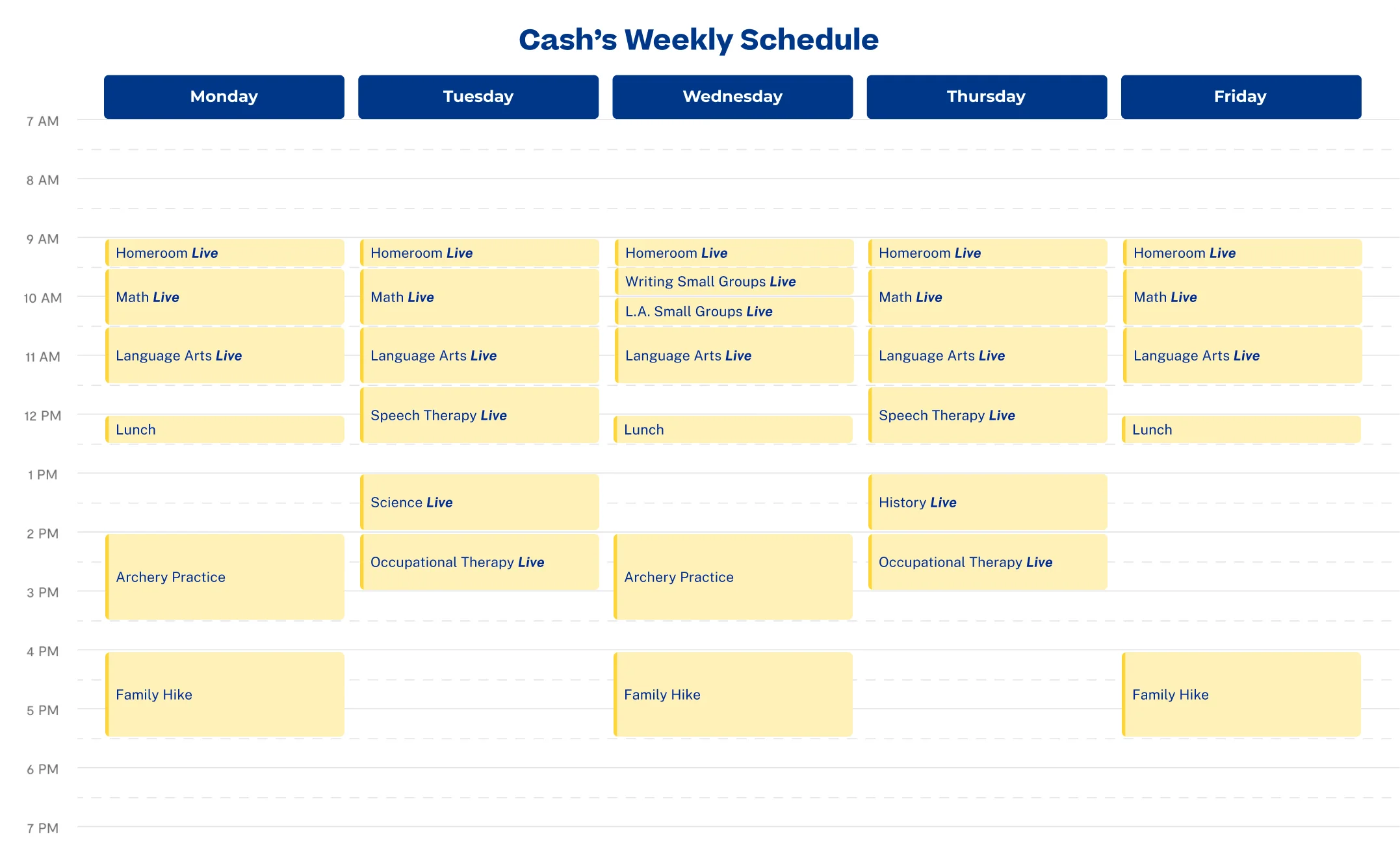
Flexible Schedule With Live Class Anchors
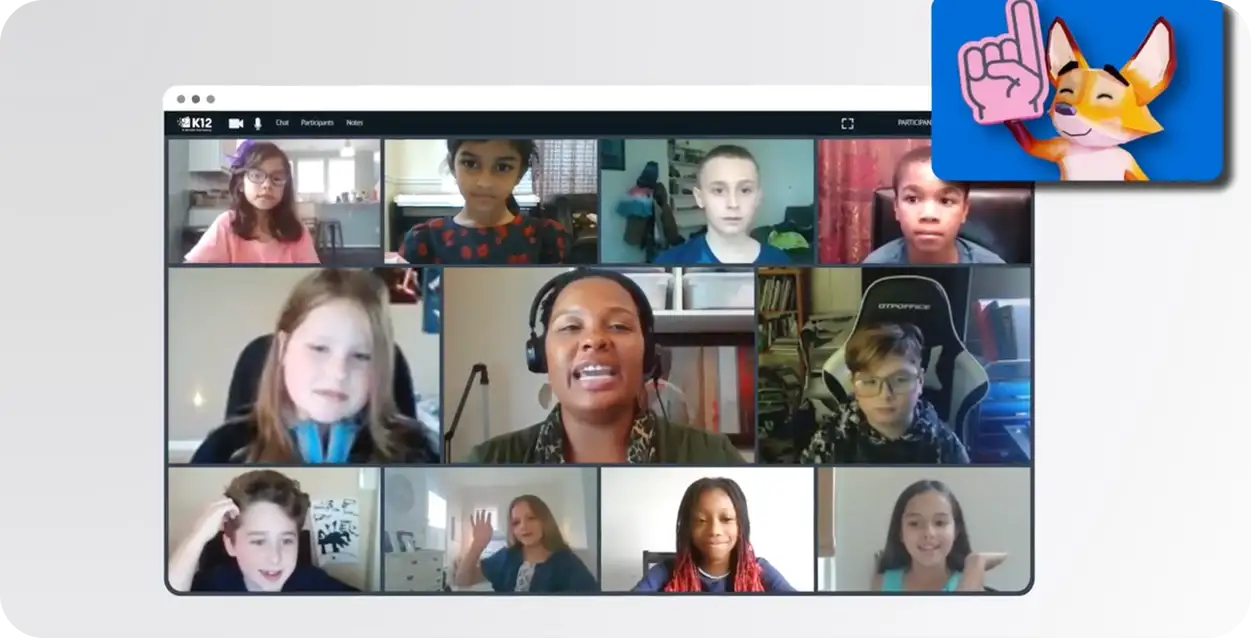
Schoolwork for Cash is a mix of scheduled, live classes, self-guided offline assignments, and special school services. If he gets stuck, Brandi is there to help. He can also ask his teachers questions in class, via email, or during weekly office hours.
A benefit of schools powered by K12 is that the required educational materials are provided, such as a computer, textbooks, supplies for offline activities, and more!
Curriculum
The number of classes students take varies per grade level and individual. For example, elementary students like Cash typically take 4–6 subjects each semester, with maybe 2–4 of those requiring scheduled, live classes.
In addition to core academic subjects, there’s a great selection of resources for students with special needs, including occupational therapy, speech therapy, and special writing classes that help students like Cash get their ideas down on paper and boost confidence.
The Parent Experience as a Learning Coach
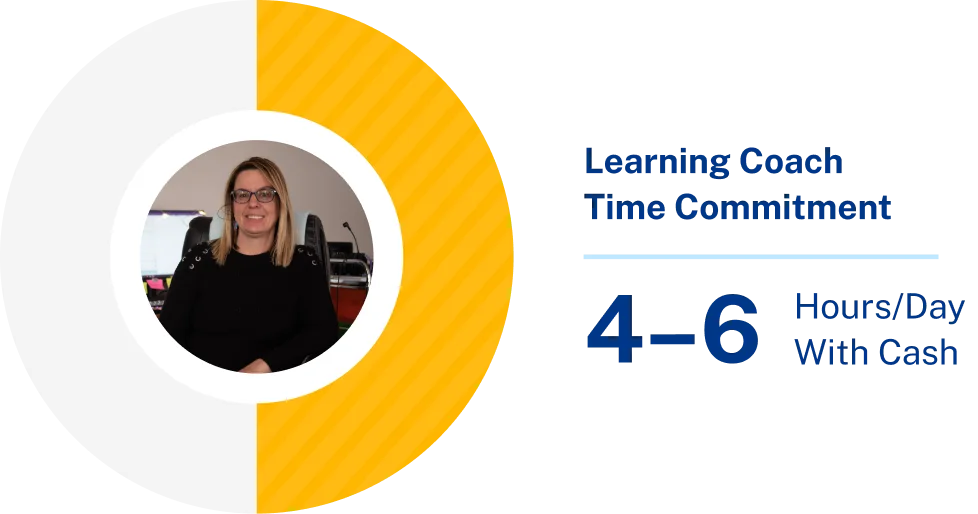
At K12-powered schools, parents (or other responsible adults) act as Learning Coaches for their students. Learning Coaches typically spend 4 to 6 hours a day with elementary students like Cash. Brandi divides much of her day between supervising Cash’s learning and leading her own classes. She works close by to help whenever he has questions and reminds him to take breaks if he needs to reset.
Work That Matters, Students That Matter More
What drew Brandi and her family to traditional homeschool was that they could all travel with Dad for work. Online school gives them that same flexibility. Once work is done for the day, they can go to the zoo, explore the park, or take a family hike.
The same goes for Brandi’s 4th grade students. She works hard to create a cohesive, inclusive classroom that encourages each student and makes them feel valued and inspired.
Time away from the computer looks like …




Beyond the Online Classroom
When not in class or completing assignments, Cash gets creative with art projects, practices his archery skills, plants seeds in the garden, and snuggles the family’s pup, Star. One of the best parts of choosing a K12-powered school is getting more control over your time. Online learning gives Cash plenty of time to enjoy his interests and hobbies.
Family Q&A
Brandi: Online school has been a better choice for us. The curriculum is much more rigorous. They’re learning higher-level math, writing better, and reading at more advanced levels. Cash is doing much better with writing, spelling, and reading, thanks to the services he receives now.
Brandi: Well, in addition to being the Learning Coach for my kids, I’m a 4th grade teacher at a K12-powered school, so we’re all at our computers. Organization is key. Now that my kids are older, they’re more independent learners. I’m available to help Cash as he needs it, and the others know to find me.
Brandi: The K12-powered school offers a lot of options for social activities. Cash is in the art club, does archery, and enjoys parkour with his friends. The older boys did theater club and esports. And all three of them get together virtually with friends to play video games.
Brandi: I was surprised that our family dinner conversations got better. Once the boys started online school, we discussed more about what they learned during the day. My husband and I expressed more curiosity, and our kids were more interested in sharing their learning with us.
Brandi: The main thing for me was the curriculum. K12-powered school gave my children plenty of options for honors, advanced learner, and dual enrollment classes at the local college. Plus, it came with all the support services we were looking for to help Cash with his dyslexia and dysgraphia.
Other Stories You Might Find Helpful

4th Grade
Zoe
Zoe meets big milestones in reading, writing, and math with speech and occupational support for her autism and ADHD.

6th Grade
Connor
Connor learns best when he can take breaks, move around, and use his fidgets to focus while finishing assignments at his own pace.

7th Grade
Mari
Mari thrives in an online school with flexibility for medical appointments, hands-on lessons, and social activities through a military co-op.

Learning With K12
From kindergarten to high school, K12 provides tuition-free online education that empowers students to learn in ways that work for them. Browse options in your state to find the perfect fit for your family.
These are the stories of real students attending K12-powered schools and their families. Content is a combination of direct quotes and summaries from interviews. Their stories each reflect their experiences at their respective schools. Actual experiences can vary by student and school. These pages are designed to reflect a typical day in the life of a student attending an online K12-powered school. Individual class schedules and requirements will vary by state, school, and the individual needs of each student. Course materials vary, and certain schools may not provide computers or may have specific requirements for providing equipment.