

 About Us
 Why K12?
 Safety Needs
 How Students Succeed
 FAQs
FAQs Online Elementary School
 Online Middle School
 Career and College Prep
 Online High School
 Student Clubs
 Career and College Services
 Inside the Online Classroom
 A Day in the Life
 Social & Extracurricular
 Advice, Tips & Inspiration
 Benefits for Life
 Enroll
 All School Options
 Need More Help?
Janell: Demonty was falling a bit behind in pre-K, and I decided to try online school to give him more one-on-one time. The personalized approach and extra attention have worked really well for him, and he’s doing better academically.
Meet Demonty
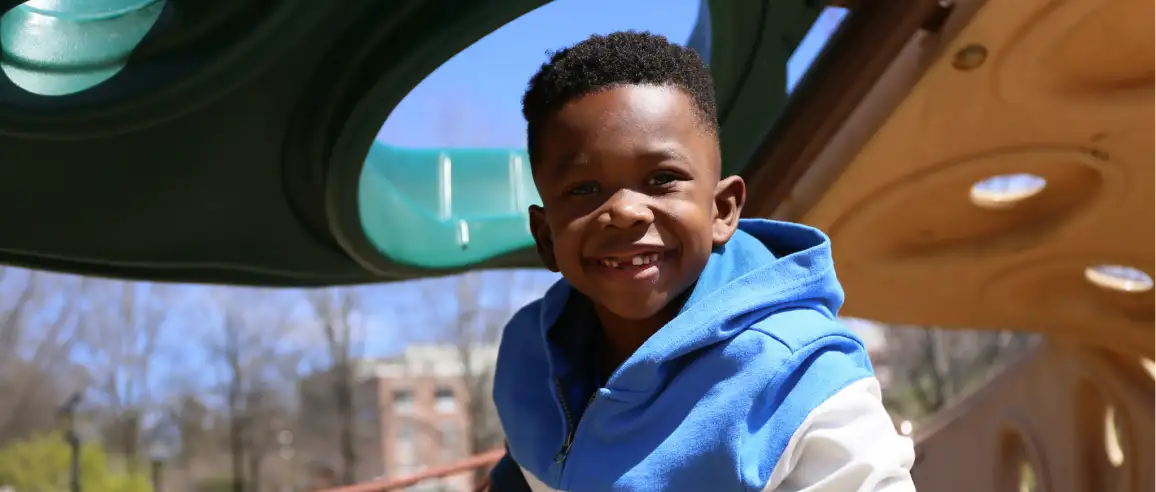
Demonty is a bright and curious kid who loves learning and being outside. Online school is a perfect fit for him and his mom and Learning Coach, Janell, providing them with a personalized approach to learning and the flexibility to play and explore.

Why This Family Chose K12
Janell wanted to be more involved while still making sure Demonty has the extra support he needs to stay on track. He’s building his confidence and growing academically with online school.

Enjoy hands-on education
Demonty learns best when he can see, touch, and experience concepts. K12’s hands-on science curriculum provides him with exciting opportunities to explore his environment.

Personalize your learning path
When Demonty hits a roadblock, Janell and his teachers work together to find a solution that works for him, such as math games to make it more fun.

Excel at your own pace
K12’s flexible schedule allows Demonty to work at his own speed and get all the support he needs to succeed in school. Plus, he can stay social and active during breaks.
Flexible Schedule With Live Class Anchors
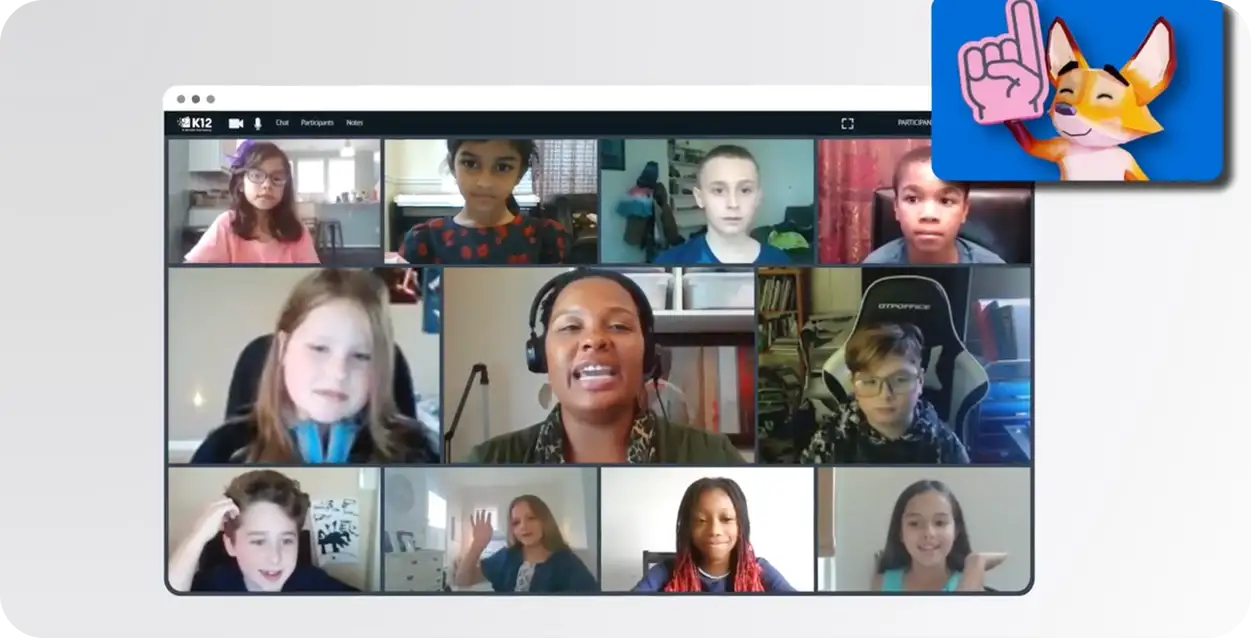
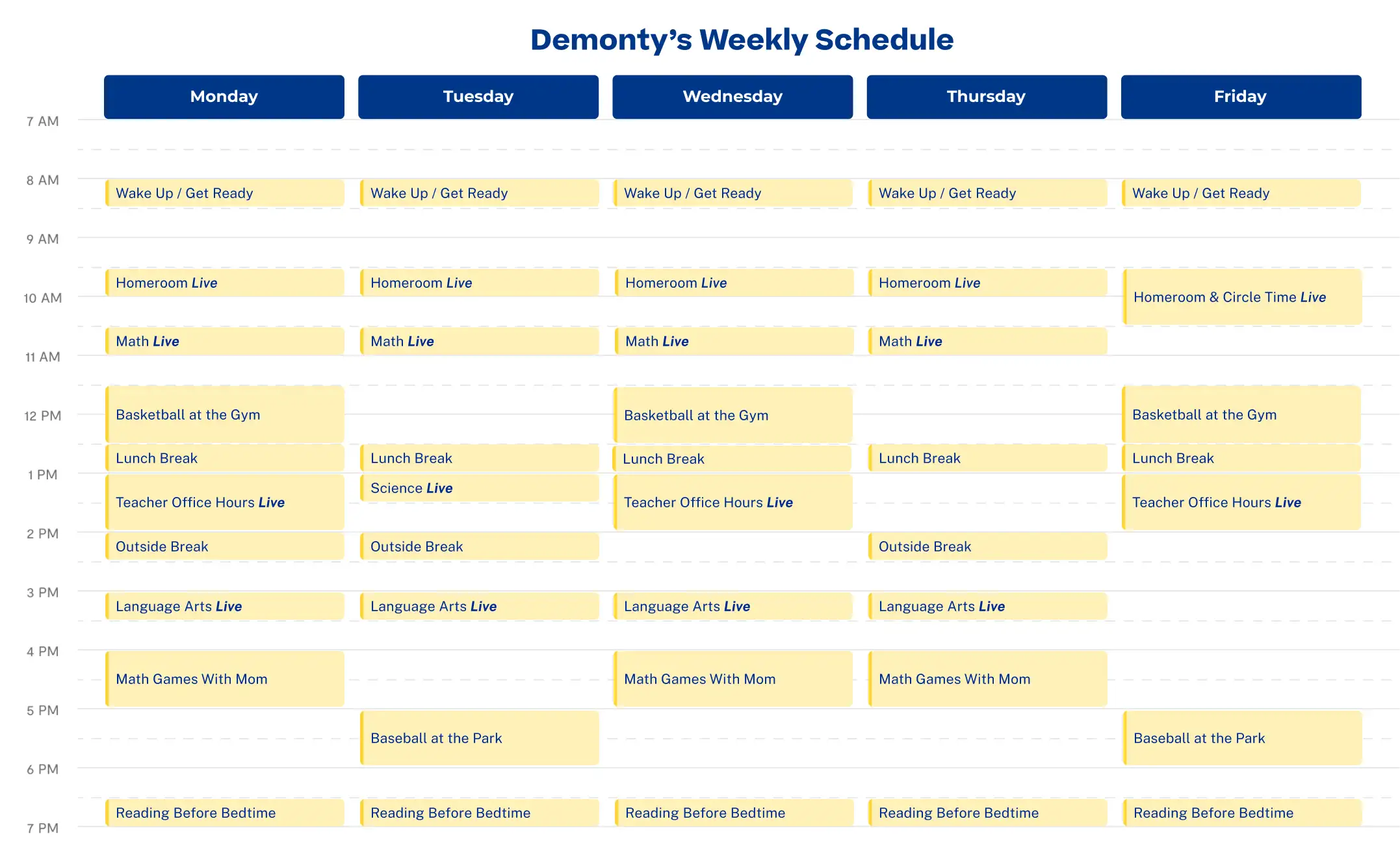
Schoolwork for Demonty is a mix of scheduled, live online classes and hands-on activities he can complete at his own pace. As a kindergarten Learning Coach, Janell is there to help him and can lean on the certified teachers for more assistance when needed.
A benefit of schools powered by K12 is that the required educational materials are provided, such as a computer, textbooks, supplies for offline activities, and more!
Curriculum
The number of classes students take varies per grade level and individual. For example, kindergarten students like Demonty typically take 4–6 subjects each semester, with maybe 2–4 of those requiring scheduled, live classes.
In addition to core academic subjects, there’s a great selection of electives, including art and skills labs for extra math and reading practice.
The Parent Experience as a Learning Coach
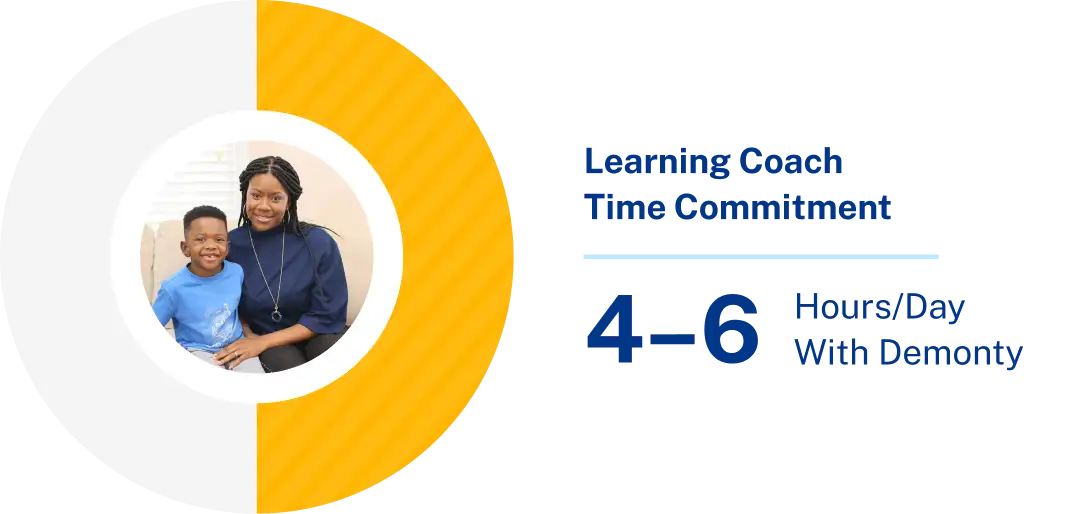
At K12-powered schools, parents (or other responsible adults) act as Learning Coaches for their students. Learning Coaches typically spend 4 to 6 hours a day with kindergarten students like Demonty. Janell keeps Demonty on track with his schedule and assignments and helps him with offline activities, and he can see his progress in real time through the online portal.
Social Time
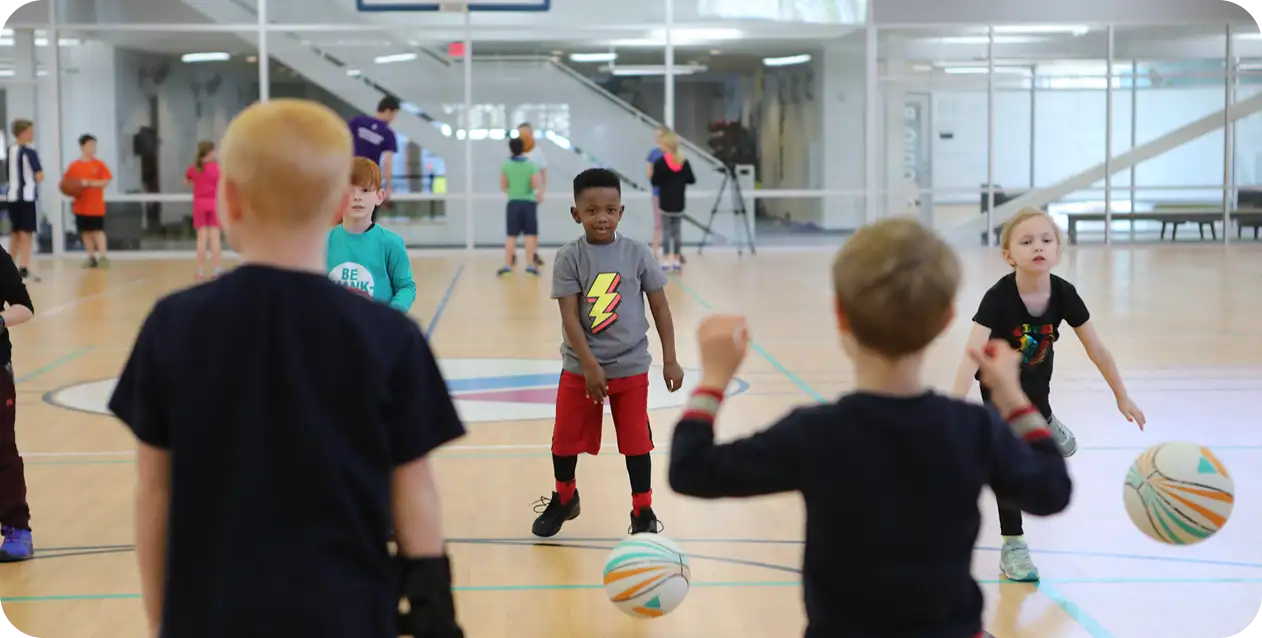
Janell finds lots of ways to keep Demonty socially active in their community. One of his favorite things is playing basketball with his friends at a local gym.
He gets to spend time with other kids and get some energy out before getting back to schoolwork. K12-powered schools also host a range of events and activities for students and families.
Time away from the computer looks like …



Hands-On Activities
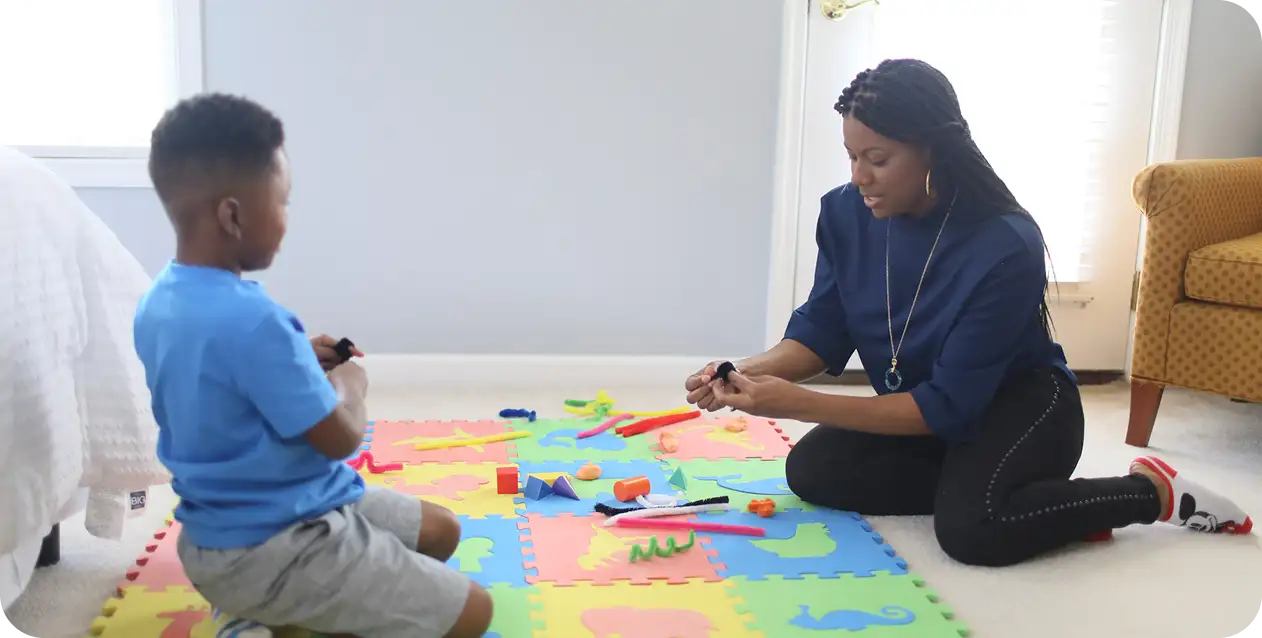
One of Janell’s tips from Demonty’s math teacher was finding ways to make math more fun. So now, they play math games together in between classes.
He gets more practice with concepts he may be having trouble with while trying to win a game against his mom. K12 provides the offline learning materials to support their curriculum too!
Family Q&A
Janell: Online school has been great for Demonty. His confidence is up, he’s engaged, and I see him wanting to learn more. I’m so proud of him. It’s really amazing to be able to see his day-to-day learning and be a part of it. Plus, as a Learning Coach, I like how accessible the teachers are when I have questions.
Janell: He interacts with his classmates online on a regular basis. I also did research to find local activities and make sure he stayed social with the switch. He’s made great friends playing baseball. His confidence in school and out in the world has improved so much since we started online learning.
Janell: Demonty has a lot of energy, so we definitely take breaks throughout the day, and the flexibility in scheduling with online school lets us do that. We take a longer lunch break and love to take breaks outside, too. I’ll often use breaks to catch up with his teachers to make sure we’re all set.
Other Stories You Might Find Helpful
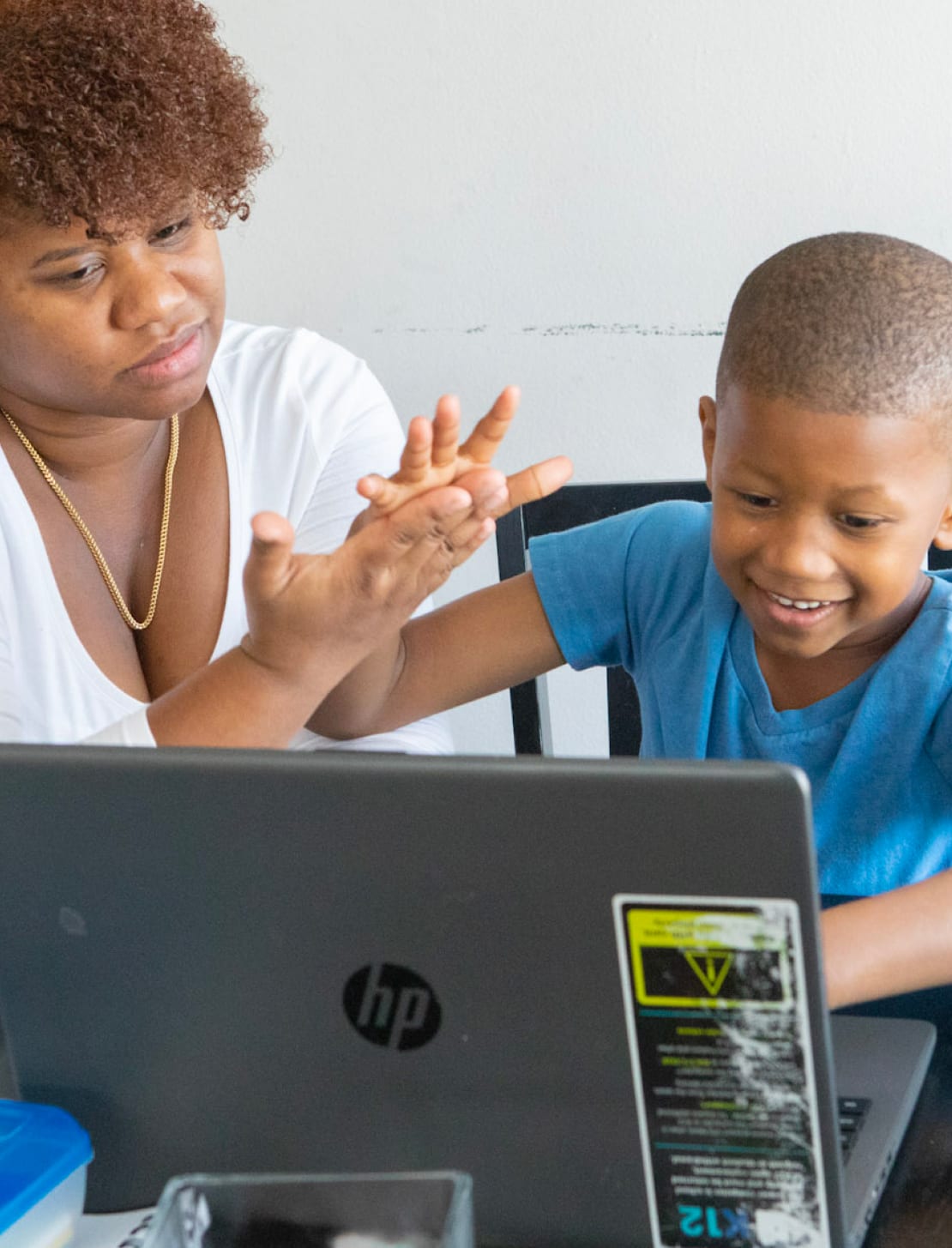
1st Grade
Micah
Micah can focus on live classes with family support and a flexible schedule that can include nature hikes or the trampoline park.

3rd Grade
Willa
Willa’s school schedule includes live reading and art classes, independent math studies, and the flexibility for dance and chess breaks.
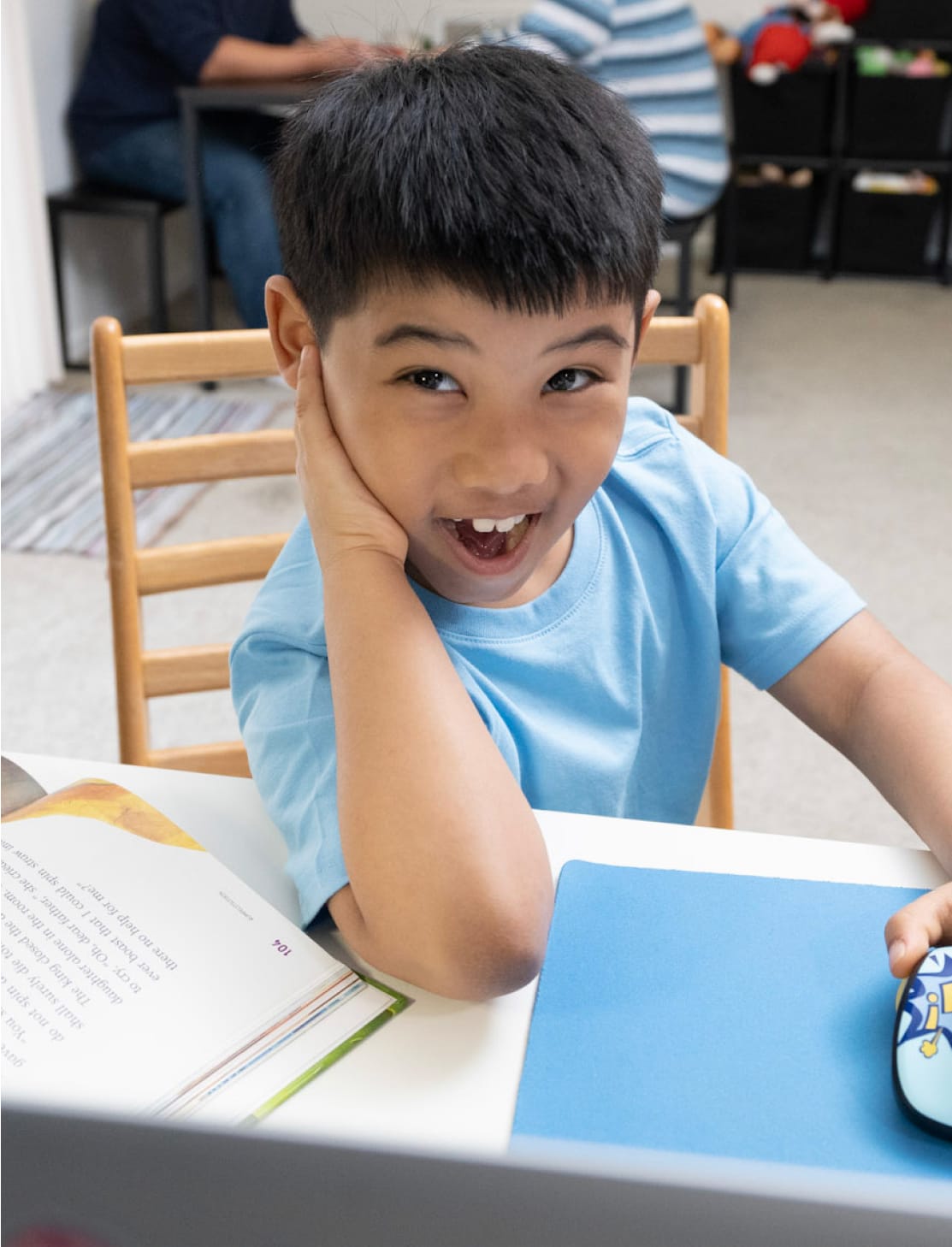
2nd Grade
Peter
Peter works ahead at school with attention from certified teachers and the flexibility to finish lessons at his own fast pace.

Learning With K12
From kindergarten to high school, K12 provides tuition-free online education that empowers students to learn in ways that work for them. Browse options in your state to find the perfect fit for your family.
These are the stories of real students attending K12-powered schools and their families. Content is a combination of direct quotes and summaries from interviews. Their stories each reflect their experiences at their respective schools. Actual experiences can vary by student and school. These pages are designed to reflect a typical day in the life of a student attending an online K12-powered school. Individual class schedules and requirements will vary by state, school, and the individual needs of each student. Course materials vary, and certain schools may not provide computers or may have specific requirements for providing equipment.